August 17, 2026
When upgrading your building's architecture, selecting appropriate materials is essential for long-term success. Property owners frequently debate between various glazing options when planning a commercial door replacement project. Understanding the differences between specialized glass products saves significant time and resources. Both tempered and laminated variations offer distinct advantages for different environmental demands and operational security requirements.
Navigating the complex world of architectural glass might seem overwhelming to business owners. However, breaking down the specific manufacturing processes and structural benefits makes the decision much more manageable. Whether outfitting a retail storefront or designing a high-rise office building, safety must remain a top priority. We will explore the unique characteristics of these prominent glass types to help you make an informed investment.
Evaluating Tempered Glass Strengths
The manufacturing process of tempered glass involves extreme heating followed by rapid cooling to create a resilient exterior. This thermal treatment alters the internal stress of the material, making it tough against direct physical impacts. According to Scientific American, heat-treated glass exhibits a baseline strength that is a minimum of four times greater than standard untreated panes. Consequently, this material is chosen for areas facing a higher risk of accidental collisions.
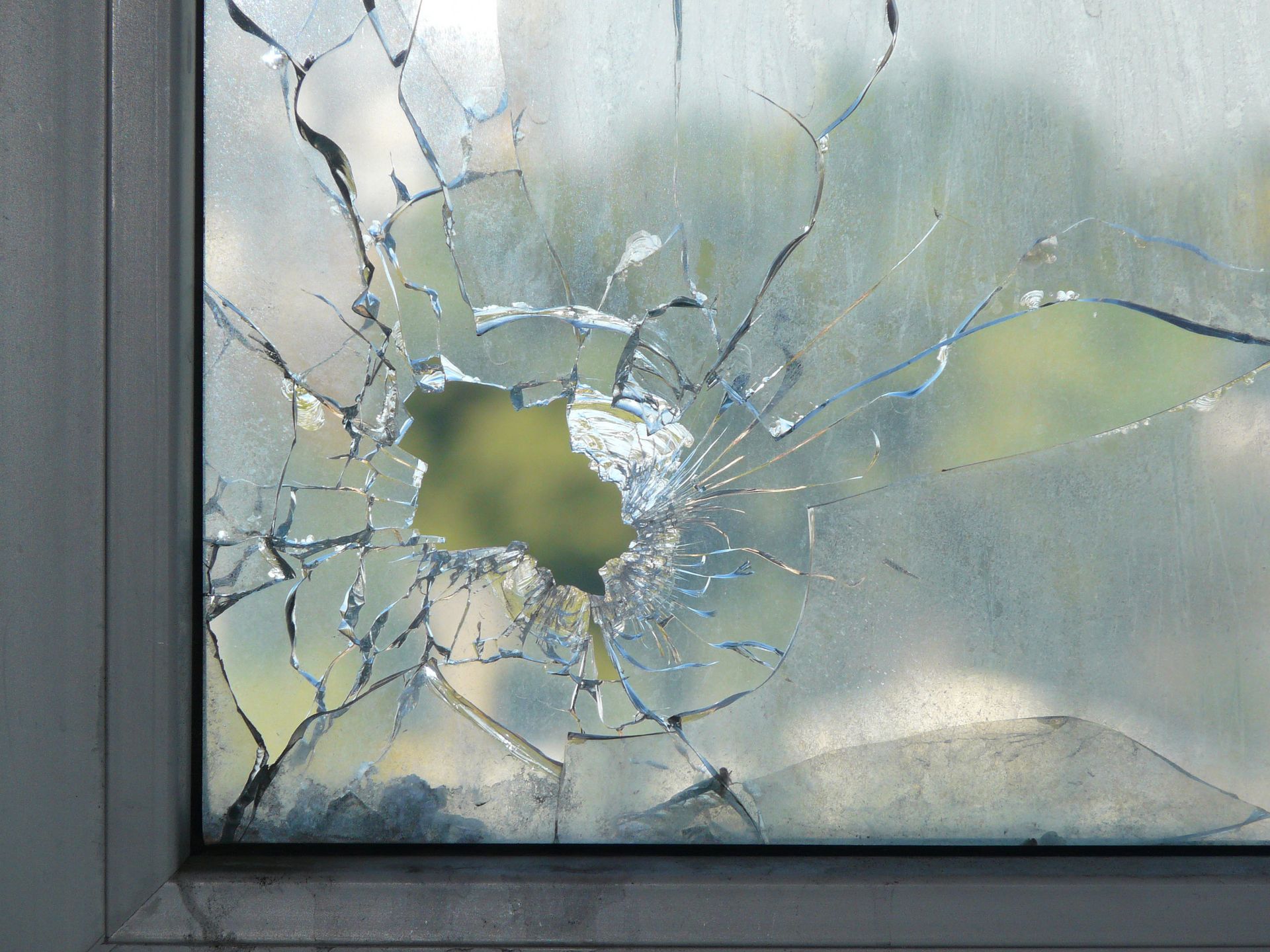
One celebrated feature of this heat-treated material is how it responds when structural failure occurs. Instead of shattering into dangerous shards that cause immense harm, it instantly breaks into small, harmless pebble-like fragments. This unique shattering pattern dramatically reduces the likelihood of severe physical injury during unexpected workplace accidents. Therefore, integrating this material into a commercial door replacement can dramatically improve the safety profile of your establishment.
Beyond its impressive physical resilience against blunt trauma, this glass variant provides substantial resistance to extreme thermal stress. It withstands rapid temperature fluctuations that would typically cause ordinary windows to immediately crack or shatter. This thermal endurance makes it an excellent choice for exterior applications exposed to harsh sunlight or unpredictable weather. Facility managers appreciate this steadfast reliability when striving to maintain safe environments in demanding climatic conditions.
Despite these robust qualities, there is one critical limitation that every property owner must carefully consider before selection. Once the complex tempering process is complete, the resulting glass simply cannot be cut or drilled. Any necessary physical modifications or hardware accommodations must be precisely calculated before initiating the thermal treatment phase. Careful architectural planning is mandatory to ensure a flawless final installation without incurring the costs of measurement errors.
Assessing Laminated Glass Features
Laminated glass takes a different but equally brilliant approach to achieving structural integrity and maximizing occupant safety. It is constructed by permanently bonding two or more layers of standard glass together with a flexible inner interlayer. This synthetic resin acts as a powerful adhesive holding the outer layers tightly in place under physical duress. The resulting composite material provides a formidable barrier against forced entry attempts and severe environmental hazards.
The architectural genius of this bonded construction becomes immediately apparent when the glass suffers a high-energy impact. Instead of falling out of its rigid frame, the broken pieces adhere firmly to the internal plastic layer. This defining characteristic is particularly valuable during a commercial door replacement where maintaining ongoing security is an absolute requirement. Even when damaged by aggressive vandals, the structurally intact pane continues to protect the building's vulnerable interior.
Furthermore, this advanced multilayered design introduces exceptional acoustic dampening properties that traditional single-pane materials cannot match. The dense inner plastic interlayer effectively absorbs external sound vibrations, drastically reducing the transmission of exterior noise pollution. Businesses situated near busy highways, noisy construction zones, or bustling streets benefit immensely from this soundproofing capability. Creating a quiet, focused work environment has never been easier than with this innovative sound-absorbing glazing solution.
Another significant advantage lies in its built-in ability to block harmful ultraviolet radiation from the blazing sun. The specialized interlayer reliably filters out up to ninety-nine percent of damaging UV rays, perfectly protecting your furnishings. Retailers displaying delicate merchandise and property owners finalizing a commercial door replacement rely heavily on this unseen protective barrier. You can effortlessly maintain vibrant, sunlit spaces without sacrificing the aesthetic longevity of your interior investments.
Comparing Physical Safety Benefits
When comparing these exceptional materials, the specific safety requirements of your facility should dictate your choice. Tempered options reliably excel in preventing serious injuries from accidental bodily impacts because of their blunt fragmentation pattern. Laminated versions, conversely, prioritize maintaining an unbroken structural boundary to deter unauthorized human access or endure flying debris. Understanding the primary situational threats facing your property will guide you toward selecting the most appropriate defensive glazing.
For environments where the primary concern is accidental human impact, heat-treated glass is overwhelmingly the standard recommendation. It meets strict municipal building codes designed to minimize the risk of deep lacerations in populated public areas. However, if your upcoming commercial door replacement requires maximum physical protection against organized burglaries, the bonded layered alternative is definitively superior. Persistent intruders find it incredibly difficult and exhaustingly time-consuming to successfully penetrate the tough plastic core.
Unpredictable environmental factors also play a critical role when deeply evaluating the distinct protective capabilities of these products. Vulnerable coastal properties facing severe hurricane threats urgently require specialized bonded panels to prevent catastrophic wind damage. In contrast, inland commercial structures dealing primarily with high heat might perfectly utilize the thermally strengthened alternative. Your local climate and regional building regulations will heavily influence which safety features are practically necessary.
Ultimately, both of these engineered materials represent a massive technological leap forward from traditional untreated windowpanes. They have revolutionized the way modern architects successfully incorporate natural ambient light into expansive structural designs without compromising integrity. By carefully weighing the distinct protective benefits of each option, knowledgeable property owners can easily cultivate business environments that remain totally secure.
Selecting Optimal Glazing Solutions
Making the best final decision requires a comprehensive evaluation of your specific structural application, budget constraints, and facility goals. Tempered glass products generally offer a more cost-effective financial solution for achieving basic human safety requirements in standard architectural layouts. Laminated glass variations typically demand a higher initial capital investment but provide unparalleled defensive security and specialized benefits. Diligently analyzing the true lifetime value of each option is crucial for responsible property management.
Routine exterior maintenance and potential future replacement costs should heavily factor into your comprehensive material evaluation and selection process. While both cutting-edge options are incredibly durable, they naturally respond differently to persistent daily wear and tear over time. Factoring these critical elements into a comprehensive commercial door replacement strategy ensures you meticulously select an appropriate premium product. Consulting with experienced glass installation professionals easily illuminates these complicated long-term financial considerations before you commit.
In complex architectural designs, combining both distinct technologies within a single facility frequently offers the customized solution. Designers might utilize thermally strengthened panes for heavily trafficked interior partitions while relying on thick bonded glass for exterior access points. This hybrid approach allows facility managers to optimize safety, aesthetics, and overall capital expenditure simultaneously. The strategic placement of each material type maximizes their respective structural strengths while minimizing unnecessary premium costs.
Your specific industry regulations might firmly dictate exactly which material you are legally obligated to install. Busy healthcare facilities, sprawling educational institutions, and high-security financial centers face strict governmental mandates regarding physical barriers and occupant safety. Including an expert professional assessment in your
commercial door replacement planning will guarantee compliance with all municipal safety codes. Navigating these complex legal requirements is vastly simpler when guided by experienced industry veterans.
Deciding between these two remarkable glass technologies ultimately boils down to accurately identifying your most pressing functional requirements. Whether you prioritize human impact safety, formidable intrusion resistance, acoustic dampening, or protective UV filtration, a perfect solution is available. Evaluating these critical variables carefully guarantees that your upcoming glass will yield lasting, satisfactory results for many uninterrupted years. Your commercial property deserves the highest standard of robust physical protection, breathtaking elegance, and enduring architectural resilience.
When you are ready to upgrade your property, Expert Glass Company LLC is here to help you navigate every step of the installation process. We pride ourselves on consistently delivering top-tier professional craftsmanship and personalized customer service tailored to your specific commercial needs. Contact us today to schedule your comprehensive consultation and let our dedicated team transform your architectural vision into a stunning reality.