January 29, 2026
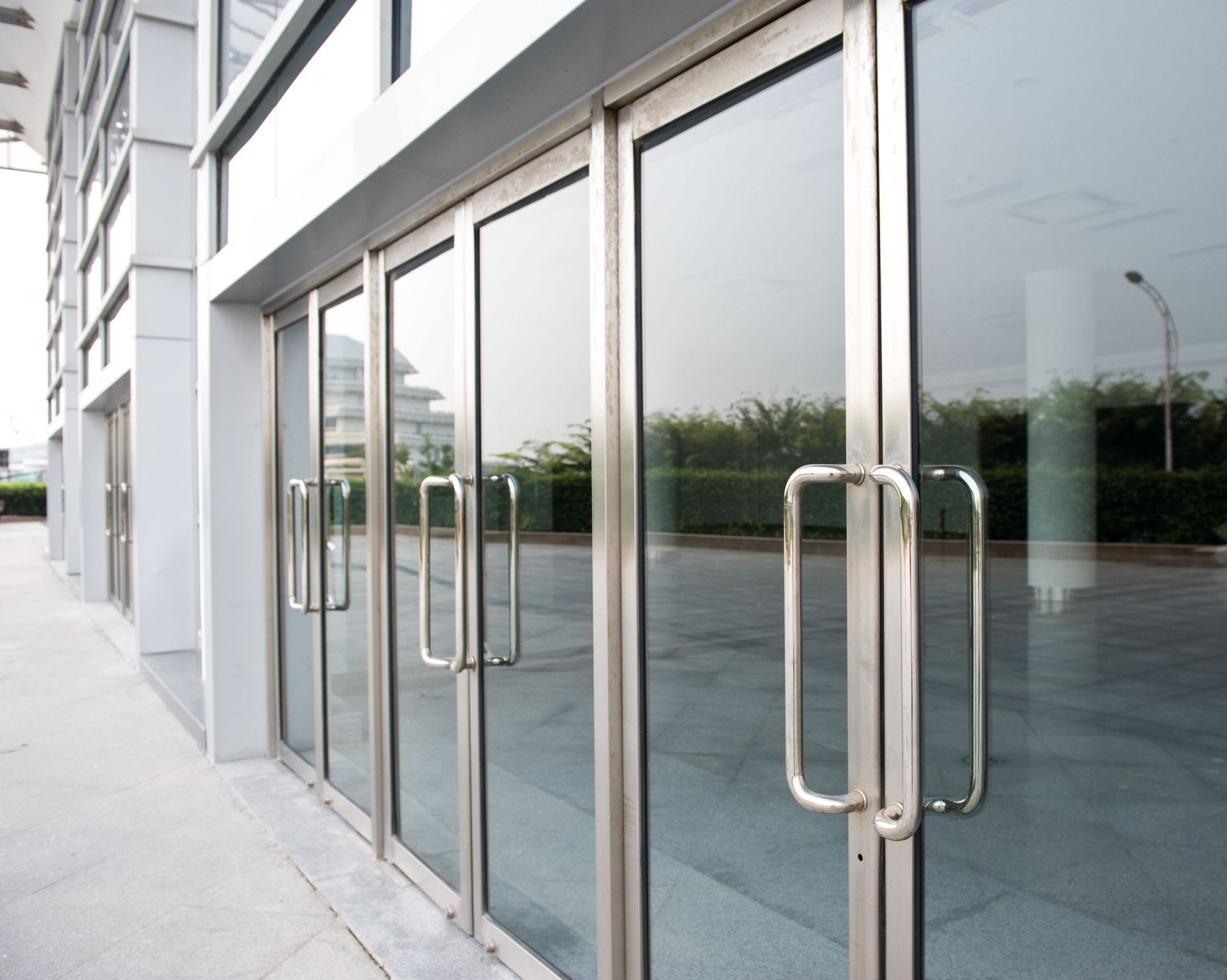
Commercial doors play an important role when it comes to maintaining the safety and accessibility compliance of professional or public structures. Today, we examine the specifics of commercial door replacements, and how you can make sure that your door aligns with modern standards and expectations. Ensuring that a building meets current codes is not only a legal requirement but also a societal obligation. Commercial doors, a fundamental component of infrastructure, significantly impact both safety and accessibility.
Understanding Regulatory Requirements for Commercial Doors
Safety standards for commercial doors are a crucial aspect of modern building codes. These standards ensure that doors provide adequate fire resistance, structural integrity, and security against unauthorized access. Ensuring compliance with these standards mitigates risks, helping prevent catastrophic failures during fire or other emergencies. Regular reviews and upgrades of commercial doors are essential to keep pace with evolving safety standards. Buildings equipped with compliant doors offer peace of mind to occupants and lower liability risks for owners.
Accessibility laws, including the Americans with Disabilities Act (ADA), mandate specific guidelines for commercial doors to accommodate individuals with varying needs. Compliance with these guidelines ensures that buildings provide dignified access to all individuals, enhancing inclusivity. Non-compliance with accessibility laws can result in significant legal and financial repercussions. Buildings must prioritize the integration of user-friendly features, such as automated doors or lower thresholds. These measures not only meet legal requirements but also expand market reach and enhance societal good.
Fire safety compliance is a critical consideration when examining commercial door replacements. Doors play an essential role in containment, stopping the spread of fire and smoke between different sections of a building. Fire-rated doors must meet rigorous standards to ensure their effectiveness in emergency scenarios. Proper installation and maintenance are key to achieving the desired levels of fire resistance. Regular inspections and replacements of these doors ensure they function correctly during emergencies, safeguarding lives and property.
Knowing the Different Types of Commercial Doors
Fire-rated doors are engineered to restrict fire spread, forming crucial components of a building's fire safety strategy. These doors undergo stringent testing to assure their performance under high temperatures. Compliance with fire ratings and certificates is non-negotiable to meet safety regulations. Installation of fire doors should follow detailed legal specifications to ensure reliability. Regular maintenance is essential to retain the door's fire-resistance capabilities and safeguard building occupants.
Automatic doors enhance accessibility by offering a hands-free entry solution for individuals with disabilities. Regulations require these doors to have sensors and backup power to prevent malfunctions. Compliance with ADA standards is crucial when selecting automatic doors for commercial buildings. Ensuring that door speeds and sensors are calibrated correctly avoids potential accidents. Implementing automatic doors improves accessibility and adheres to both accessibility guidelines and energy efficiency mandates.
Security doors offer increased protection against unauthorized access, making them vital for maintaining a secure environment. Such doors must comply with security standards, including burglary resistance and ballistic protection. Material choice, lock types, and design significantly influence the security level provided by these doors. Regulatory compliance ensures these doors provide maximum protection while integrating seamlessly into a building's overall security system. Investments in security doors not only fulfill legal requirements but also fortify the building against potential threats.
ADA-compliant doors ensure that access to buildings is inclusive for individuals with mobility impairments. These doors have specific design specifications, including width, handle height, and ease of operation. Compliance with ADA regulations is not just a legal matter but also a corporate social responsibility. Addressing the diverse needs of occupants enhances business reputation and customer satisfaction. Consistently monitoring and updating accessibility features contributes to inclusive architecture and universal design principles.
Seeing the Technological Advancements in Door Design
Smart door technology defines the next generation of commercial doors, incorporating sensors and automation for seamless operation. These advanced doors offer features like remote access control, real-time monitoring, and integration with security systems. Implementing smart technology can lower energy consumption by optimizing opening and closing cycles. Technological advancements in door design streamline building management, offering new efficiency and safety levels. Smart doors elevate user experience and set new standards for functionality and security compliance, giving these facilities more reason to invest in commercial door replacements.
Biometric access controls represent a significant leap forward in enhancing security and managing entry points in commercial settings. These systems use unique biological traits such as fingerprints or facial recognition to allow access. Including biometric technology in door systems ensures robust security and minimizes unauthorized access. Featuring biometric verification enhances compliance with stringent security regulations. This advanced security measure elevates occupant safety and deters potential intrusions or thefts.
Enhancing Building Safety through Door Upgrades
Upgrades are an important factor in commercial door replacements and can help prevent unauthorized access. Enhanced security features such as advanced locks, sensors, and reinforced materials ensure robust entry-point security. In commercial settings, securing access to critical areas is paramount to maintaining overall safety. Regulatory standards define necessary security measures doors must comply with to protect occupants and sensitive assets. Meeting these requirements prevents liability issues and improves the security posture against threats.
Door upgrades enhance a building's fire safety measures by improving containment and evacuation capabilities. Fire-rated doors possess materials engineered to withstand high temperatures and slow fire progression. Effective compartmentalization can save lives and minimize property damage during an emergency. Regular updates to fire door systems align with evolving safety standards, ensuring optimal performance.
Improving Accessibility with Modern Door Solutions
Modern door solutions significantly enhance mobility for all building occupants. New door technologies accommodate various user needs, promoting universal access. Features such as low-energy doors and automatic systems ensure ease of use across different population segments. Regulatory compliance ensures that these modern solutions are mandated to address broader accessibility needs.
Design considerations for wheelchair access are integral to enforcing accessibility standards. Doorways must accommodate wheelchair dimensions and allow smooth, easy passage. Incorporating elements like wider doors and barrier-free thresholds aligns with ADA guidelines and improves accessibility. Compliance boosts accessibility, ensuring spaces are inclusive for individuals with mobility challenges.
Comprehending Cost Implications and Long-Term Benefits of Door Replacements
Investing in commercial door replacements requires initial capital but offers significant returns over time. These upgrades elevate building standards, promising durability, security, and compliance benefits. A strategic investment in modern doors lowers legal and maintenance costs while enhancing asset value. Considering factors like energy efficiency, reduced liability, and increased occupant satisfaction significantly impacts the building's ROI. According to GII Research the commercial overhead doors industry grew from $3.01 billion in 2024 to $3.31 billion in 2025 in response to global demand for compliance and technological advancement in door solutions.
Energy-efficient doors lower operational costs by reducing heating and cooling expenses. The initial expense of upgrading to energy-efficient models is quickly recouped through reduced utility bills. Eco-friendly materials and design improvements provide substantial emissions reductions for sustainability. Compliance with stringent energy efficiency standards promotes responsible consumption practices. Prioritizing energy-efficient solutions reflects a commitment to sustainable operations and financial savings.
Commercial door replacements
are a critical factor in enhancing building safety and ensuring compliance with accessibility standards. By understanding the regulations, investing in advanced technological solutions, and considering long-term benefits, building owners can achieve a safer, more accessible environment for all occupants. If you're looking to put together a strategic vision that aligns with ever-evolving legal and societal standards, consider reaching out to Expert Glass Company. Our team has been helping customers with glass repairs, door installation, and more for 50 years. Contact us anytime with any questions, comments, or concerns.